In his song, “Change”, songwriter and rapper J.Cole illustrates a scene that is all too real for certain populations all over the United States. He writes, “All of a sudden n***as pop a trunk and then we scram \ Finger on trigger make a little n***a understand \ What it’s like to finally be the m**********n’ man \ Eyes wide that’s from the power that the coward feels \ N***as die over b****es disrespecting dollar bills \ Bloodshed that turned the city to a battlefield”.
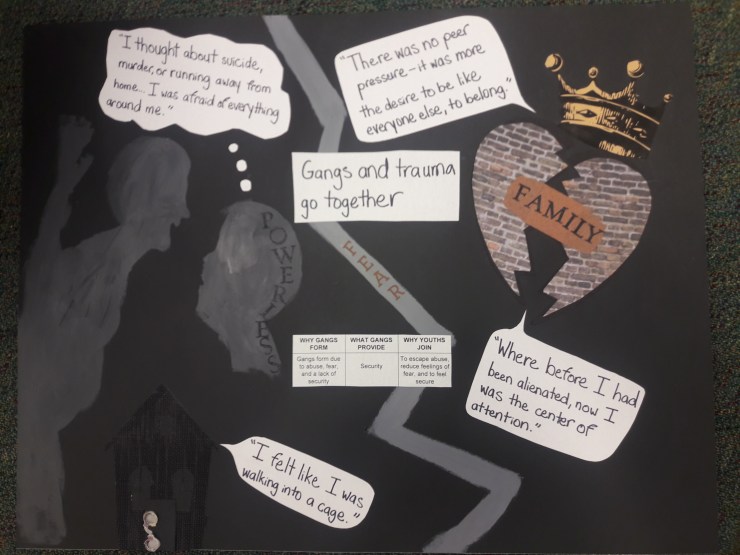
Gang violence is an ever-present issue. Most infamously, the Bloods and Crips have engaged in a brutal, bloody rivalry around the Los Angeles area. Close to home, gangs such as the Latin Kings and Gangster Disciple Killers roam the streets of Chicago. Personally, I had never really thought too much about gangs; I’ve always lived in relatively safe areas. But when visiting colleges, most notably the University of Chicago and Northwestern, gang violence became a topic of discussion for people visiting from out-of-state. Only then did I understand the reality of gang violence. But if the only things that gangs provide are violence and murder, why do they continue? Why do members continue to join?
Such questioning led me to read Reymundo Sanchez’s “My Bloody Life: The Making of a Latin King”. In his memoir, Reymundo discusses his life as a Latin King — the reasons why he joined, reasons why he stayed, and eventually, the reasons why he left. As I read, I discovered that turning to a life of gang violence and crime isn’t as unrealistic as one may expect. Unfortunately, the conditions that lead to such a lifestyle are prevalent in homes all over the U.S.
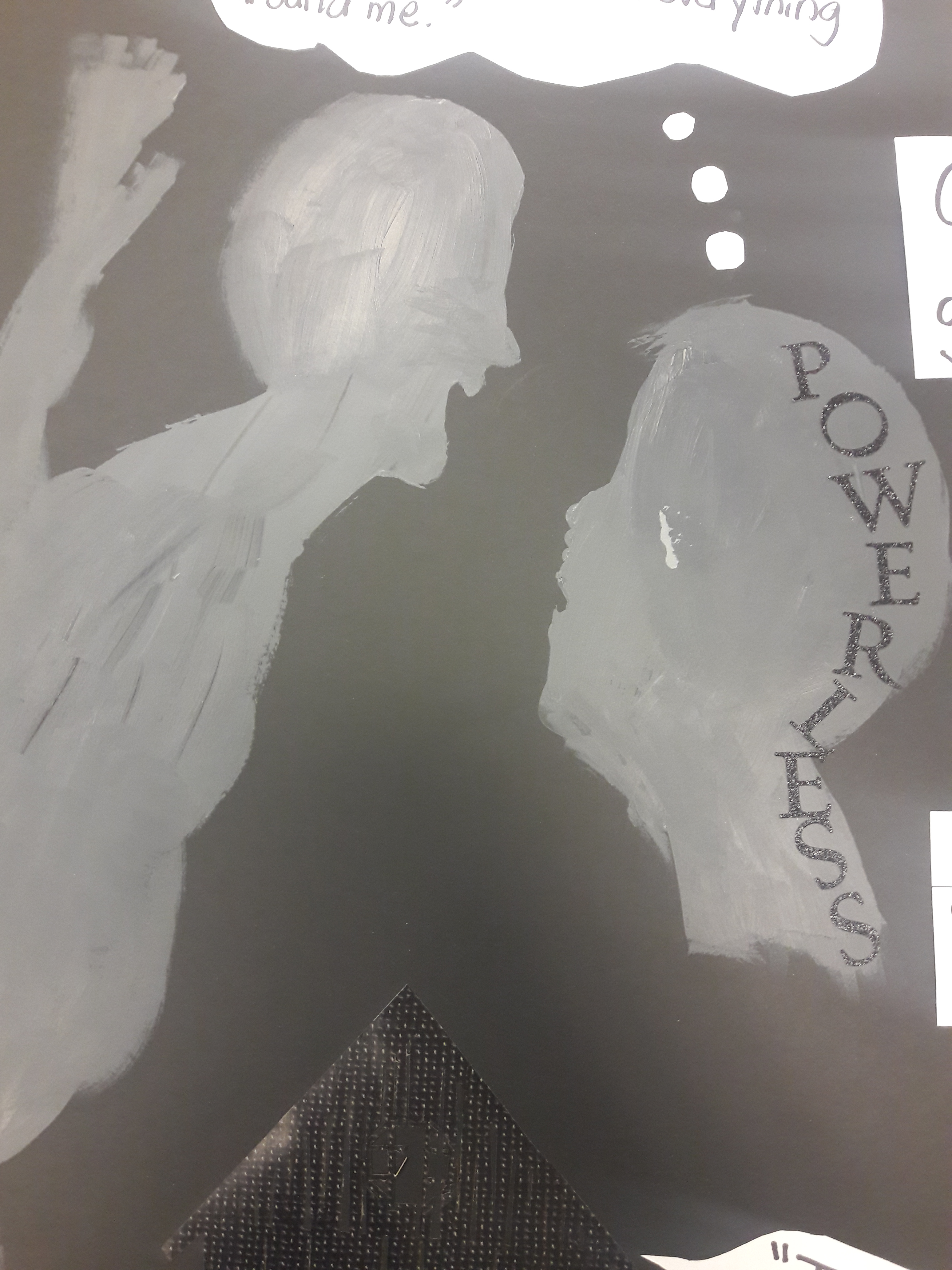
Reymundo’s home situation was unideal. His mother, at sixteen, married a very old man. Her family was discouraging of the engagement, and expressed their anger indirectly. “At any given moment we could be kicked, punched, or made into a bloody mess for no reason at all. My cousins were not punished; in fact, I remember laughter from the adults” (2). Furthermore, it was no surprise that five years after being born in Puerto Rico, his seventy-four-year-old father died, leaving a young, single mother with multiple children and no source of income. To adapt, she quickly remarried a man named Emilio. He moved the family to Chicago, and life was okay — until he suddenly disappeared. “Now here she was in the land of opportunity, illiterate and with no skills, counting on others to do for us… she used the only survival skill she knew — she found another man” (6). Reymundo’s third father, Pedro, only continued the beatings. His mom, fearful of losing her support, never came to Reymundo’s aid. This perpetual cycle of trauma destroyed Reymundo’s mental health: he constantly felt abandoned and alone, with no one to lean on.
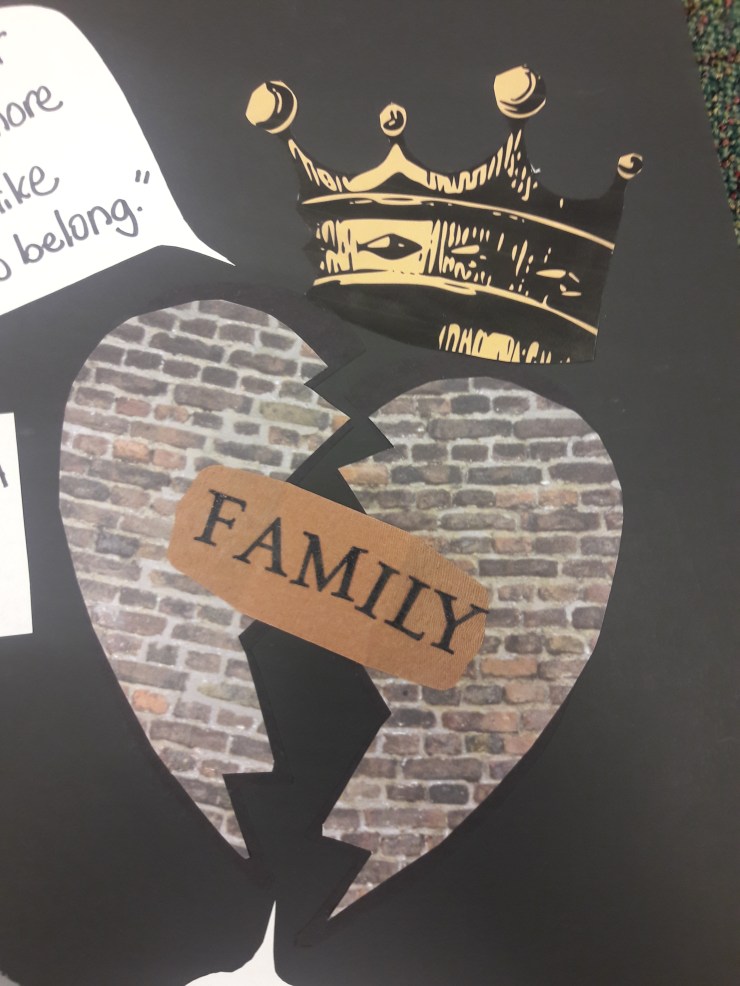
Reymundo never felt accepted or loved at home. But he found the opportunity to prove his worth in a gang setting. “That day, I became something, part of the ‘in’ crowd. I had proven my worth on the battlefield and through initiation… The Latin Kings became my new family… I wore an imaginary crown coveted by many and I ruled an imaginary kingdom” (140). In a way, being a part of the Latin Kings healed the wounds caused by his upbringing. He had finally found a sense of family and acceptance, even if it meant causing crime and killing others as a result. In fact, this kind of crime only derived more respect and love from fellow gang members. He was now trapped in a different cycle — not one of abuse, but one where his thirst for approval caused him to continually put his life and the lives of others in danger for praise. Because he had longed for this positive attention for so long, he only sought it more and more as he gained more status and power.
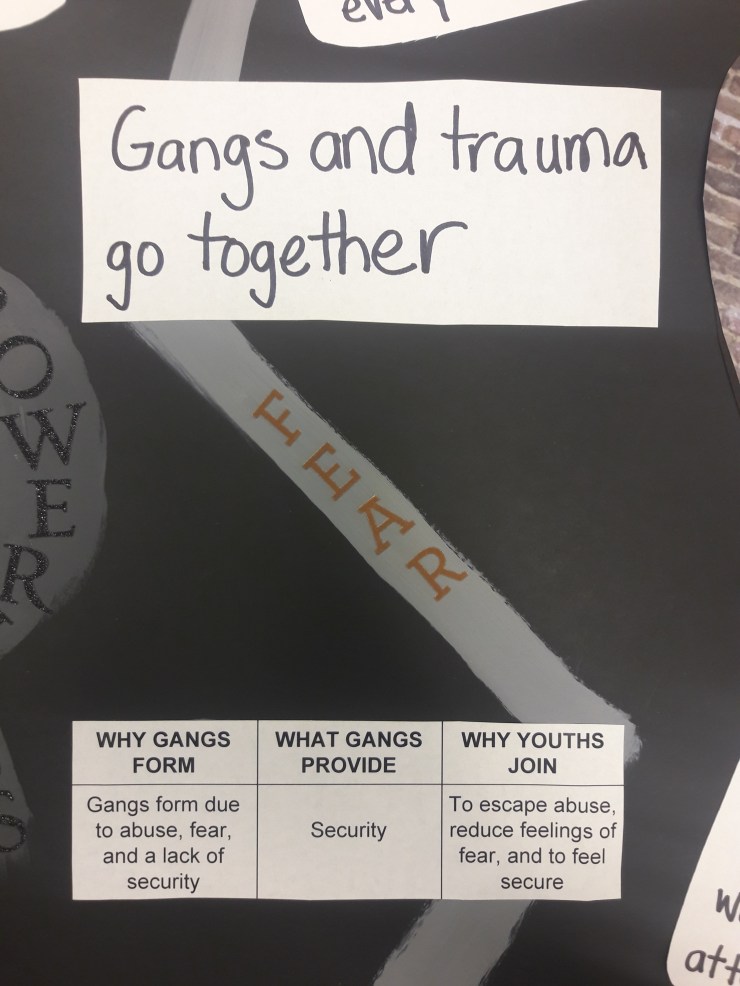
I know from my own experience that when people are so insecure, they’ll go to great lengths to get attention of any kind. Gangs are an extension of that — if one is brought up in such a way that they are lacking the love and acceptance they need to live healthily, gangs can be an outlet for them, a “way out”. Fear is what drives the whole process. Fear of abuse and powerlessness drives people into gangs. Once they join, they fear for their lives. But nothing is comparable to the fear that they’ll never be accepted. And for this reason, gang members are willing to sacrifice anything and everything for an opportunity to feel the slightest bit of love. So, cherish the people who love you in your life — things could’ve ended up much differently if it wasn’t for them.
 Keypressing with Kyle